From speaking up to making young perspectives matter.
Starting from a young age, I have been working on children’s rights, youth participation, and amplifying young voices. Over the years, I worked in different context, scales and roles, and developed my vision on youth engagement based on everything I learned and experienced.
But, let’s begin at the beginning.
From being engaged to finding a mission
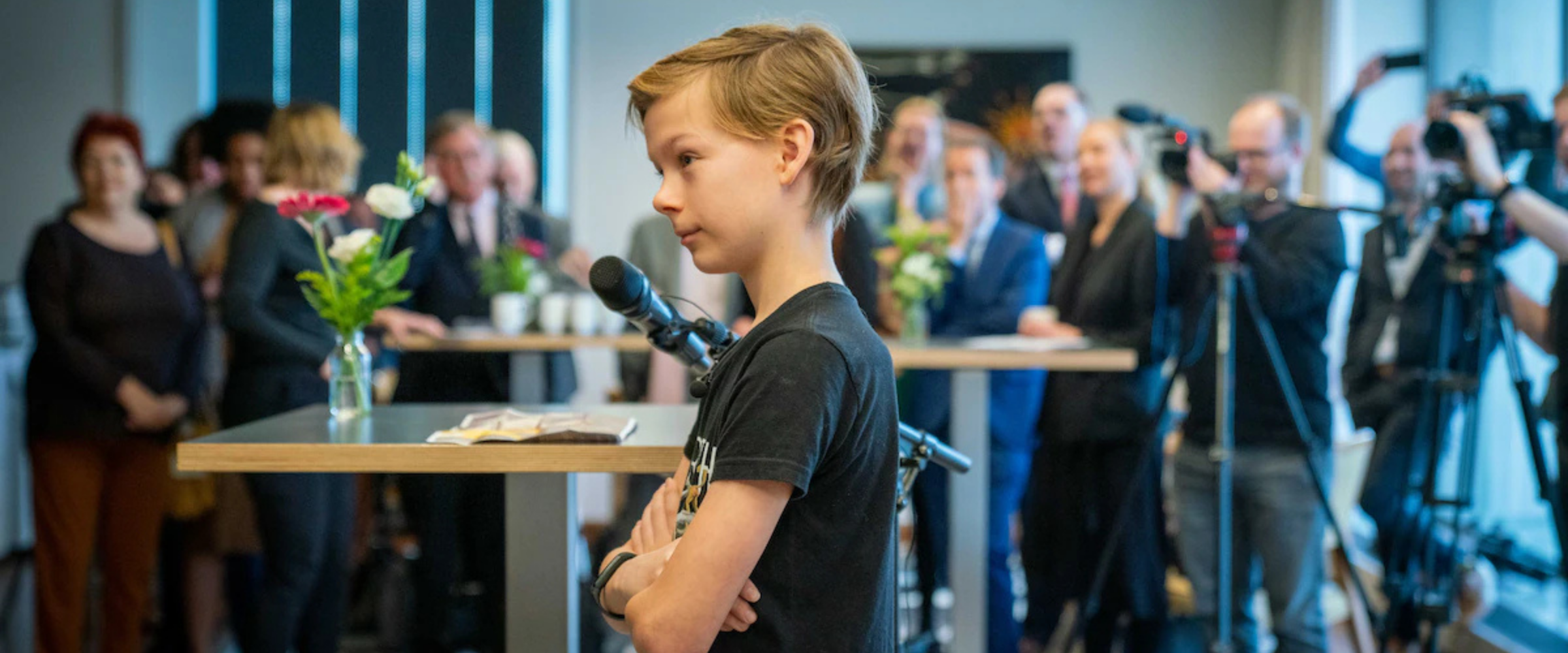
From a very young age, I cared about the world around me. I had the feeling that young people had very good ideas, but adults did not really listen to us. When I was twelve, I gave a speech to my provincial government about listening to young people, taking care of our future and ensuring every child gets equal opportunities to develop themselves. After my speech, a politician told me I had noting to do in that room. She did not believe it was my own opinion, and instead of challenge what I said, she disqualified my view just because I was young. She ended by telling me to go and play football and leave it up to the adults what to do.
I was shocked and frustrated. Why did she not believe I could have my own opinion simply because I was young? But the moment also made something very clear to me: there was still a long way to go before young voices would be valued equally. But it felt more important then ever. How can we, young people, trust decision-makers to make decisions in our interests if they don't even want to listen to us?
How can we, young people, trust decision-makers to make decisions in our interests if they don't even want to listen to us?
From demanding change to helping create it.
That experience shifted my focus. I became more and more involved in children’s rights and stopped thinking mainly about how to make my own voice heard. I realised that many young people had experiences and perspectives far more important than mine, but these rarely reached the places where they were needed most.
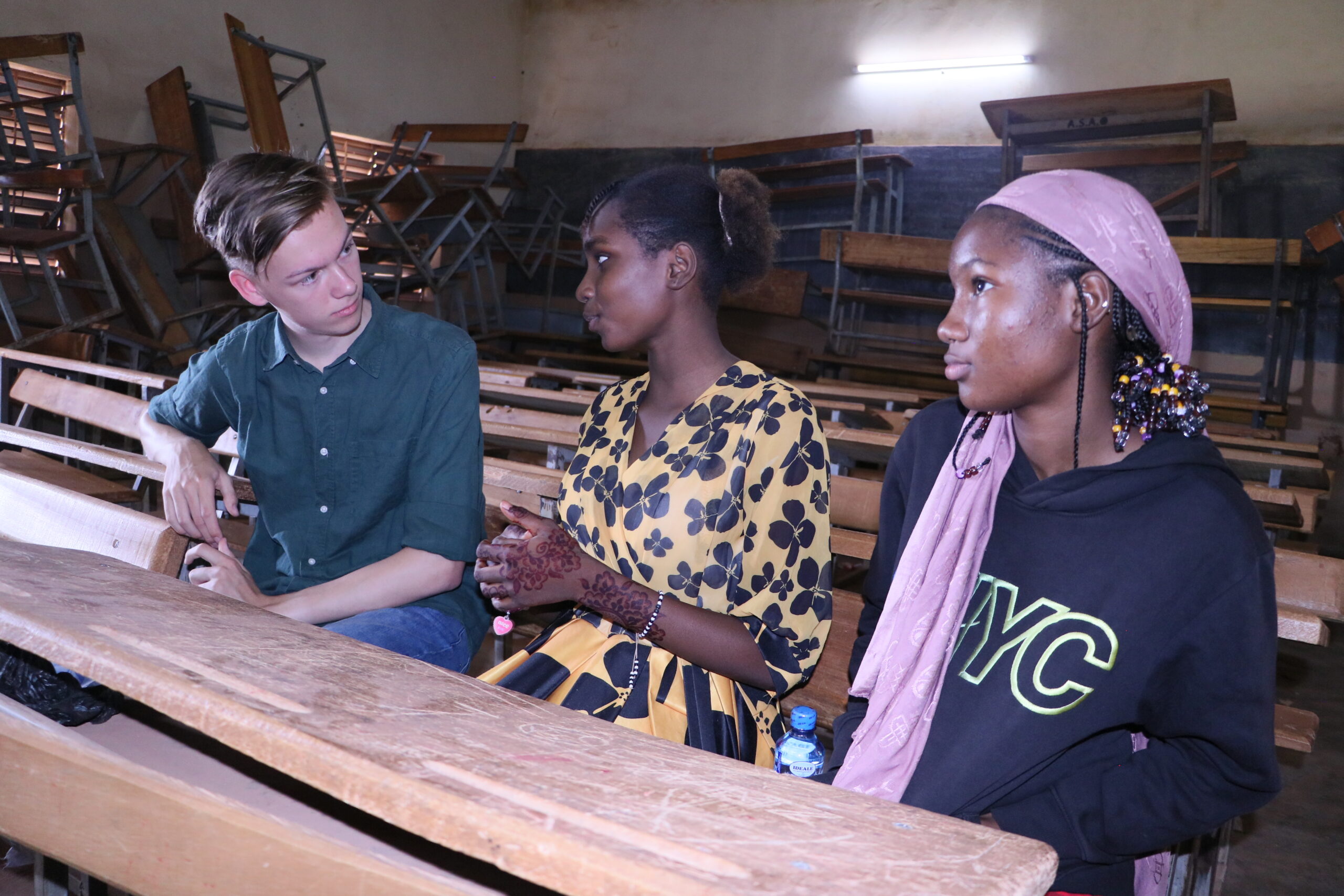
I worked around three ideas: the right to a voice, the right to a future and the right to a chance. Through speeches, campaigns, interviews and projects, I collected and shared young people’s perspectives. At the same time, I tried to convince and help adults in businesses, organisations and government bodies to listen to young people more structurally. In my book Our Right, I interviewed young children’s rights defenders to give them a stage to tell their story. Later, as Vice-Chair of the Dutch NGO Coalition for Children’s Rights, I kept my focus on youth participation, but worked a lot on other children’s right topics as well. In this position, I could combine advocacy with practice: meeting young people, advising organisations and speaking with politicians. Those experiences also led to The Right to a Voice: a book not only about why adults should listen to young people, but about how meaningful participation can actually work.
I realised that many young people had experiences and perspectives far more important than mine, but these rarely reached the places where they were needed most.
From local to global, without forgetting what it means to be young
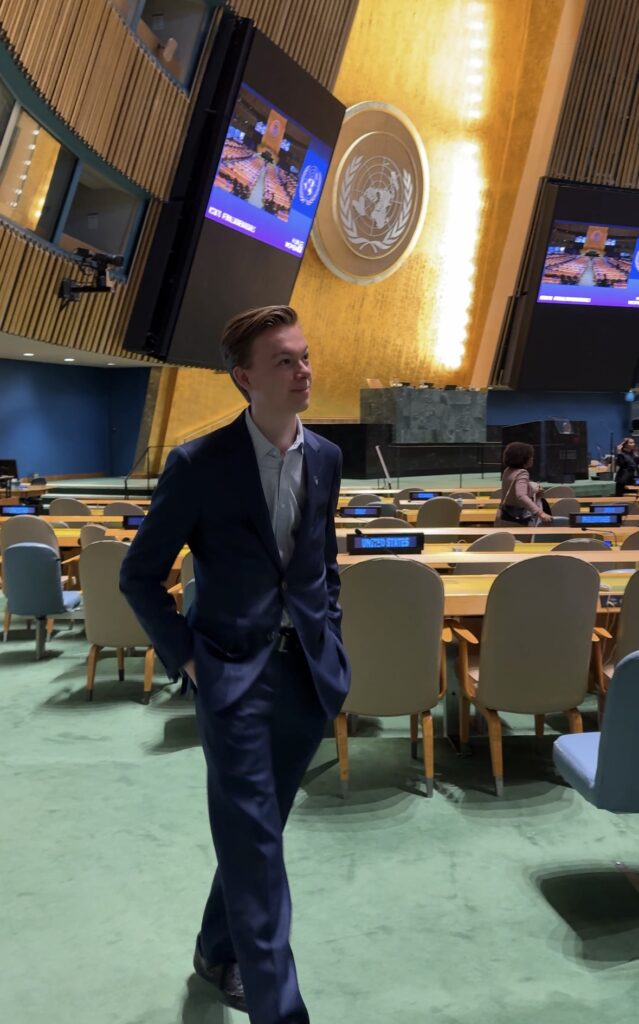
Working internationally gave me the opportunity to take the same questions into much bigger rooms. As EU Youth Delegate to the United Nations, I advocated for youth engagement within institutions and tried to bring perspectives into spaces they would otherwise rarely reach. The question remained the same: whose voices are being heard when decisions are made? And who is still missing from the room?
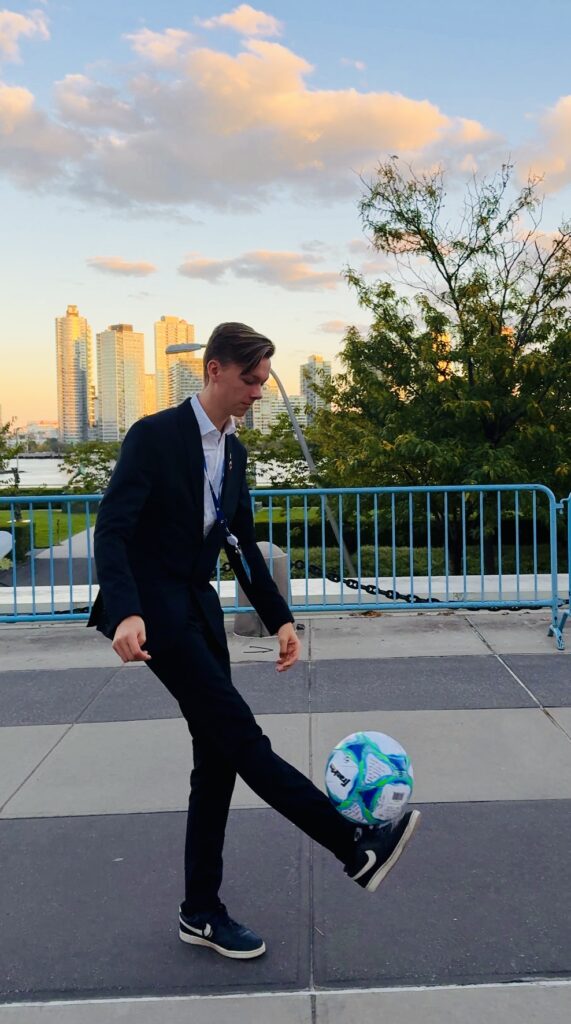
At first, I thought being taken seriously meant looking and sounding like the adults around me. I wore the suit, used the difficult language and tried to behave like a diplomat. But eventually I realised I was hiding the very thing that made my perspective different: the fact that I was young.
So the football returned. I use the ball to show that young people should be themselves when they engage in politics and diplomacy. And when I bring a ball to high-level officials, I make sure young people’s messages are written on it. Because when I was twelve I was told to play football instead of advocate for young people, at the UN I decided I could do both.
Different roles and venues, but always the same mission: making youth perspectives matter.